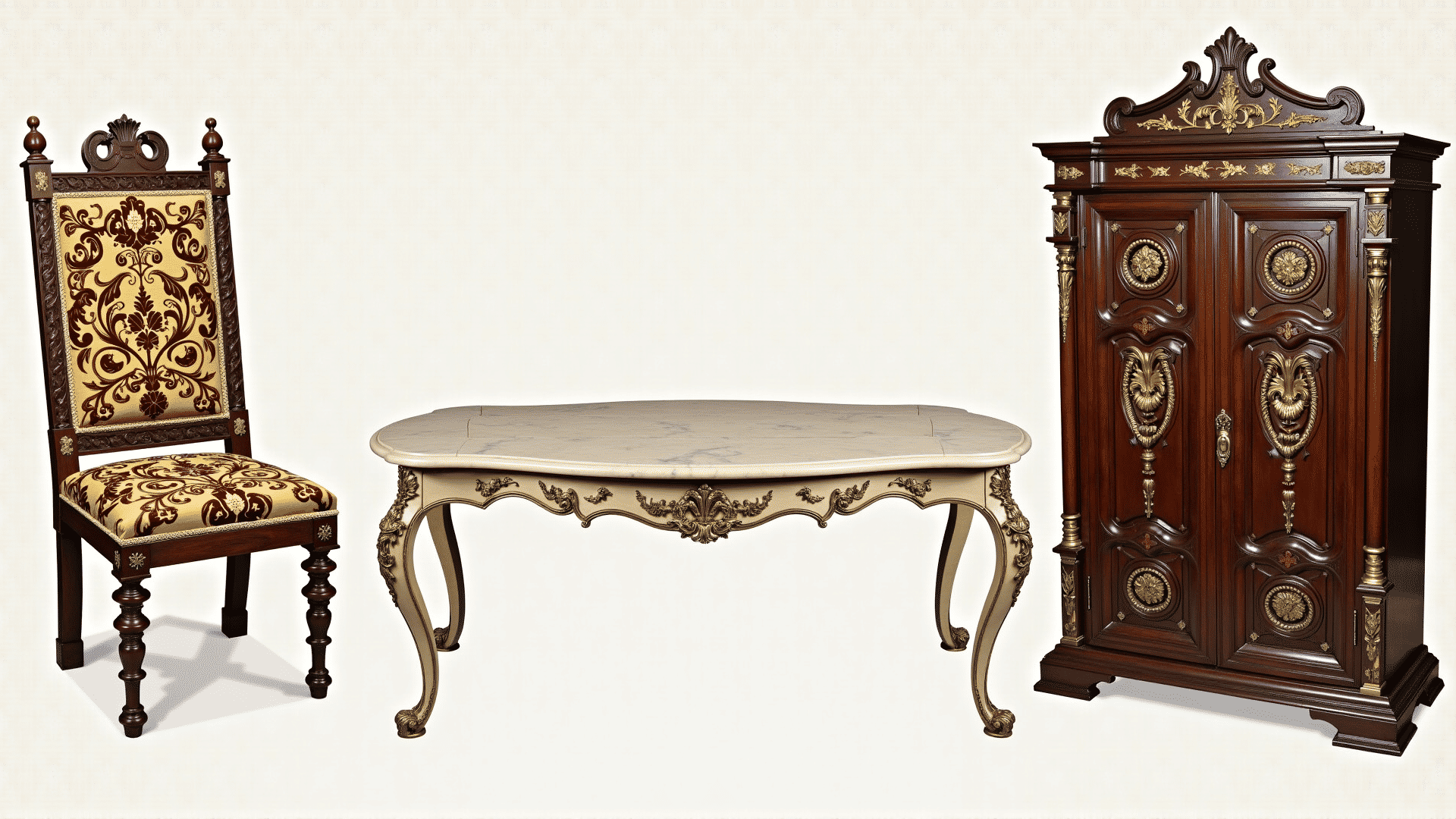
European styles have long been a beacon of design, leaving an indelible mark on aesthetics and functionality across the globe. From the grandeur of Baroque to the simplicity of Scandinavian minimalism, these styles have shaped design philosophy in diverse cultures, transcending geographic boundaries.
The Baroque era, which originated in Italy in the 17th century, is renowned for its opulent and intricate designs. This style inspired furniture creators globally, instilling a love for luxurious details and dramatic shapes. Baroque's influence can be seen in the ornate chairs and tables of South American mansions and the grandiose furnishings found in Asian palaces, where the emphasis was often placed on eye-catching appeal and regal elegance.
In stark contrast, the 20th century heralded the rise of Scandinavian design, characterized by simplicity and functionality. Renowned for clean lines and minimal ornamentation, this style prioritized practicality without sacrificing aesthetics. Scandinavian design principles have found favor in countries like Japan, where the fusion of minimalist aesthetics with traditional Japanese design has fostered harmonious living spaces that reflect both efficiency and tranquility.
French Rococo, with its playful and ornamental nature, made its way into the courts of Europe and beyond. Known for its light colors, curves, and asymmetries, this style left a lasting imprint on Western design, influencing the creation of elegant, yet informal spaces. Rococo's playful approach to design sparked creativity in regions such as East Asia, where it mingled with local artistic traditions, producing novel and enchanting hybrid styles.
The Arts and Crafts movement, emerging in Britain during the late 19th century, championed craftsmanship and material quality, reacting against industrial mass production. This movement inspired designers in North America, leading to a renewed appreciation for hand-crafted, artisanal pieces that celebrated natural materials. The ethos of the Arts and Crafts movement continues to resonate in modern design, particularly in areas that value sustainability and quality craftsmanship.
European modernism also made significant waves in global design. As seen in the work of pioneers like Le Corbusier and the Bauhaus school, this design philosophy embraced the concept of form following function. The emphasis on simplicity and functionality influenced mid-century modern design, which gained popularity worldwide. This style, focused on merging practicality with aesthetic appeal, can be seen in urban homes across continents, where it supports the demands of contemporary living.
The integration of European furniture styles into global design has not only enriched aesthetic practices but also encouraged a cross-cultural dialogue. As these styles have traveled and mingled with local traditions, they have given rise to inventive variations that honor both origin and adaptation. Today, this exchange continues, proving that European design's influence is as enduring as it is transformative, shaping environments that are as functional as they are beautiful.