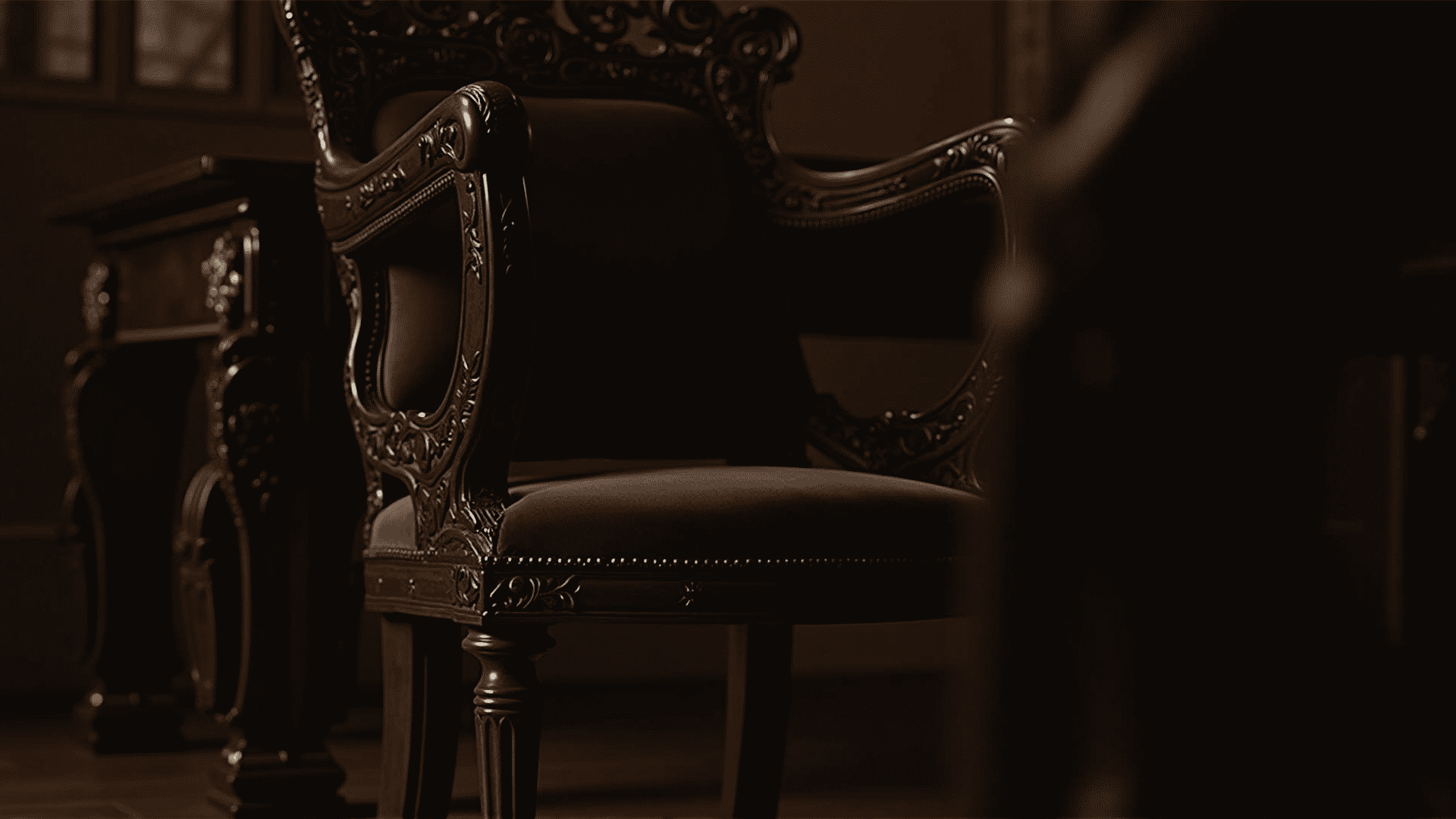
In the opulent tapestry of the 19th century, the Victorian era stands out as a pinnacle of creativity and design, heavily influencing the visual and structural aesthetics of its time. This is particularly evident in the period's approach to crafting items for the home, which embodied a rich interplay of form, function, and ornamentation.
An aesthetic journey through the Victorian age reveals a predilection for elaborate and ornate designs. This trend was a response to the era's broader social changes and technological advancements. The Industrial Revolution had introduced manufacturing processes that allowed for intricate detailing and mass production, making ornate home decorations more accessible to a burgeoning middle class.
Crafted with an eye for detail, the materials used during this time were often luxurious and durable. Rich mahogany, walnut, and oak were favored for their strength and beauty, serving as the foundation for artisans to create lasting pieces embedded with a sense of grandeur. Carvings were a prevalent feature, showcasing masterful handiwork often inspired by the natural world. Flowers, leaves, and curvilinear patterns seemed to breathe life into these sturdy elements, reflecting Victorians' admiration for nature.
Besides wood, other materials such as brass and ceramic were skillfully incorporated, adding an additional layer of elegance. Upholstery played a significant role, too, offering comfort and creating a visual impact with fabrics like velvet and damask in deep, vibrant colors. These fabrics were not just decorative; they also provided a tactile element, inviting interaction and engagement.
Each crafted piece was a work of art, bearing marks of the aesthetic movements of the time. Gothic Revival, Rococo, and the Aesthetic Movement all left indelible imprints, with each style bringing its own language of forms and decorations. Gothic Revival, for instance, was characterized by pointed arches and intricate tracery, drawing inspiration from medieval cathedrals and castles, while Rococo leaned towards playful and whimsical motifs.
The holistic design philosophy of the Victorian era emphasized harmony and coordination. Rooms were often filled with items that reflected this ethos, creating environments that were as cohesive as they were elaborate. In this way, spaces became immersive experiences for their inhabitants, rich with stories told through the artistry and craftsmanship of each piece.
The legacy of Victorian artistry continues to captivate and inspire. Its blend of splendor and functionality appeals to those who appreciate heritage and skilled craftsmanship. Revisiting these works today offers an enriching glimpse into a world where artistry was authentically interwoven with everyday life, preserving a narrative of elegance and complexity that continues to resonate.