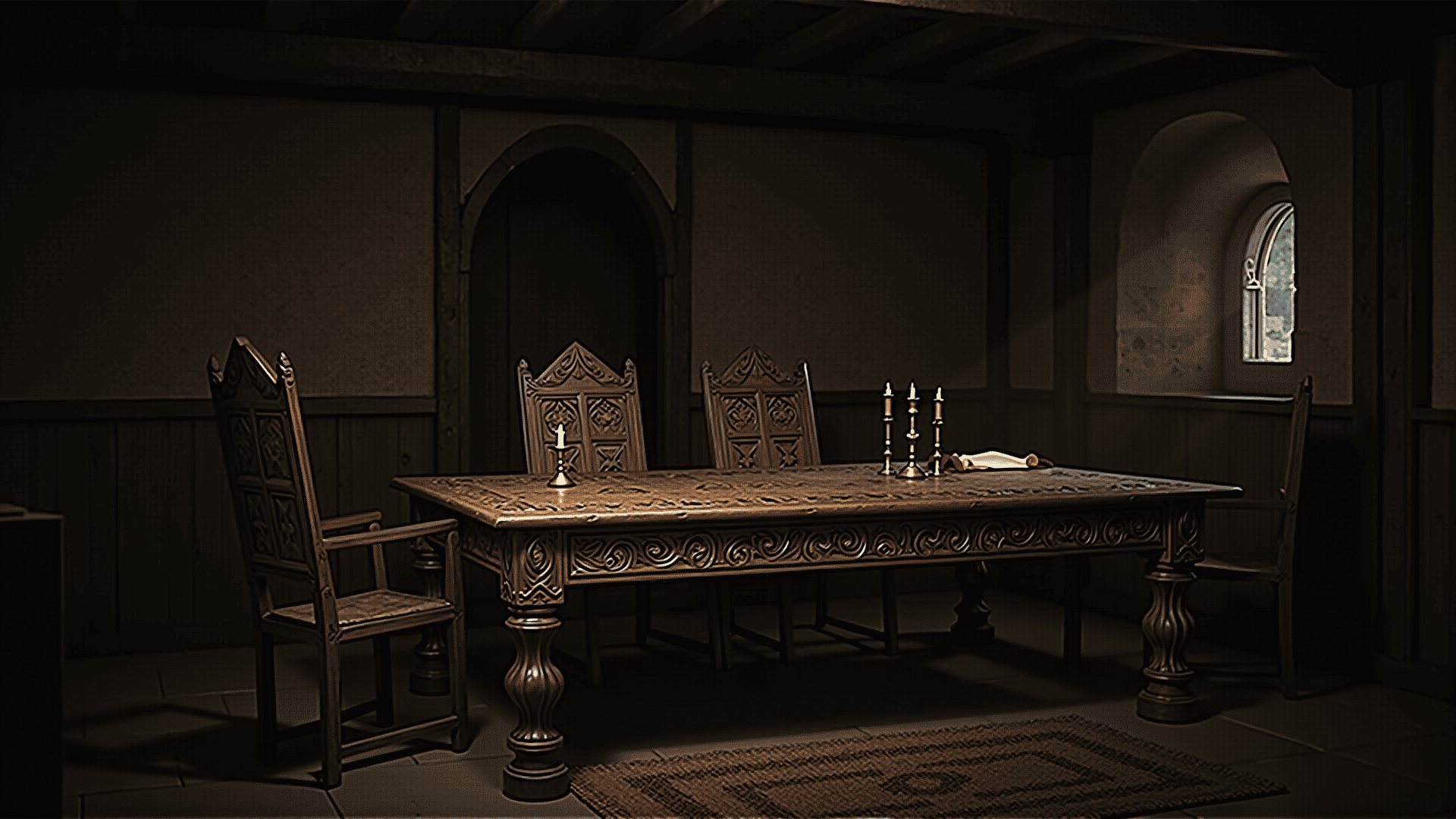
The Middle Ages in England were marked by a distinct style of craftsmanship that reflected both the needs and the aspirations of the people. Among the most captivating achievements of this period were the utilitarian yet artistic pieces that graced the homes of the era. Characterized by hand-carved details and a focus on practicality, these designs have captured the interest of historians and enthusiasts alike.
One notable feature of such items was their construction from robust woods such as oak and walnut. These materials not only provided durability but also allowed for intricate carvings that often featured motifs inspired by nature and mythology. The artisans of the time took great care in their work, often relying on traditional methods and tools passed down through generations. This dedication ensured that each piece was not only functional but also a testament to the skill and creativity of the craftsperson.
Dining tables were often hefty, long-lasting structures that became the centerpiece of family gatherings and feasts. Designed to accommodate varying numbers of people, they frequently included trestle supports, allowing for easy assembly and disassembly. The simplicity of these designs did not detract from their elegance; rather, it underscored the communal values of the society, where gathering and conversation were integral to daily life.
Chests were another important element in medieval homes, serving as storage for a variety of domestic items. They were often embellished with ironwork and detailed carvings, turning a simple storage unit into an object of beauty. These pieces were designed with utility in mind, often doubling as seating or even makeshift beds when needed. The adaptability of such items demonstrates the medieval emphasis on multifunctionality and efficient use of space.
Beds in the medieval period often featured high, decorative headboards, showcasing the fine craftsmanship of the era. While the wealthier households could afford elaborately carved designs, even modest homes boasted simpler yet sturdy versions. Canopies and curtains were frequently added not just for privacy and warmth but also as a demonstration of status.
The designs from this era also placed a strong emphasis on symmetry and proportion, reflecting the medieval mindset that beauty and harmony in the surrounding environment were essential to a balanced life. This aesthetic consideration is evident in the careful construction of chairs and benches, which often featured straight lines and well-defined angles.
Aside from household items, ecclesiastical designs from the Middle Ages were steeped in symbolism, with carvings that depicted religious scenes and figures. Such work not only enhanced the spiritual atmosphere of sacred spaces but also showcased the artisans’ devotion and their unparalleled artistry.
In conclusion, the marvels of medieval design in England continue to be revered for their charm and practicality. These remarkable works tell the story of a time when every piece was crafted with care and intention, reflecting the life and values of those who cherished them. These designs, grounded in history and tradition, continue to inspire and inform modern interpretations of rustic and functional art.