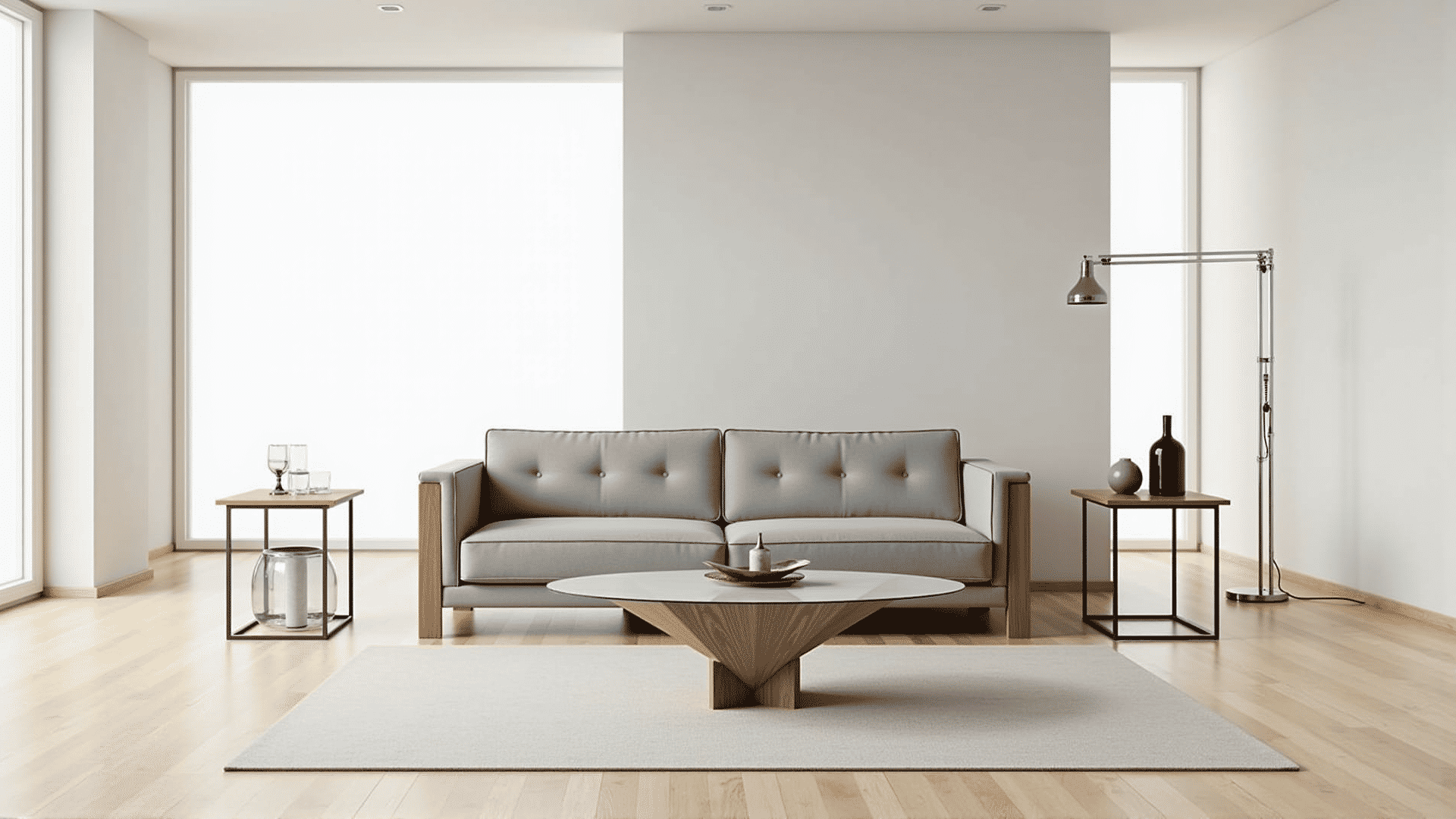
In recent years, the realm of English furniture design has experienced a remarkable transformation, marked by the harmonious fusion of cutting-edge technology and age-old craftsmanship. This intriguing blend has given rise to furniture pieces that not only enhance functionality but also preserve the rich heritage of traditional woodworking.
One of the central themes in this evolution is the integration of smart technologies into design elements, which elevates everyday objects into interactive and responsive units. Imagine a living room setting where a coffee table doubles as a wireless charging station, or a bookshelf that intelligently adjusts its lighting based on the ambient room conditions. These advancements enrich the user experience by offering convenience without compromising on aesthetic appeal.
At the heart of these innovations lies a commitment to sustainability and environmental consciousness. Many designers today are utilizing eco-friendly materials, such as recycled woods and sustainable fabrics, to create their masterpieces. Additionally, the use of non-toxic finishes ensures that these items are safe for both the environment and the inhabitants of a dwelling. By incorporating these elements, creators are able to adhere to responsible practices while crafting exquisite pieces.
Equally significant is the resurgence of traditional craftsmanship, which serves as a foundation for these modern-day marvels. Artisans, with skills passed down through generations, continue to employ time-honored techniques such as joinery and hand-carving, infusing each piece with character and a sense of history. The meticulous attention to detail in every aspect of the creation process is what distinguishes these works, turning them into timeless treasures that speak of both innovation and legacy.
Furthermore, customization has become a hallmark of modern design. Clients increasingly seek bespoke items tailored to their unique taste and space requirements. With advancements in technology, customization has become more accessible, enabling clients to actively participate in the design process. This shift not only reflects an evolution in consumer preferences but also demonstrates how technology can bridge the gap between creator and client.
In essence, the contemporary English approach to design embodies a perfect balance between the new and the old. It captures the spirit of innovation while honoring tradition, resulting in pieces that are both functional and rich in history. As this movement progresses, it promises to continue redefining how spaces are experienced, offering endless possibilities for creativity and personalization.